
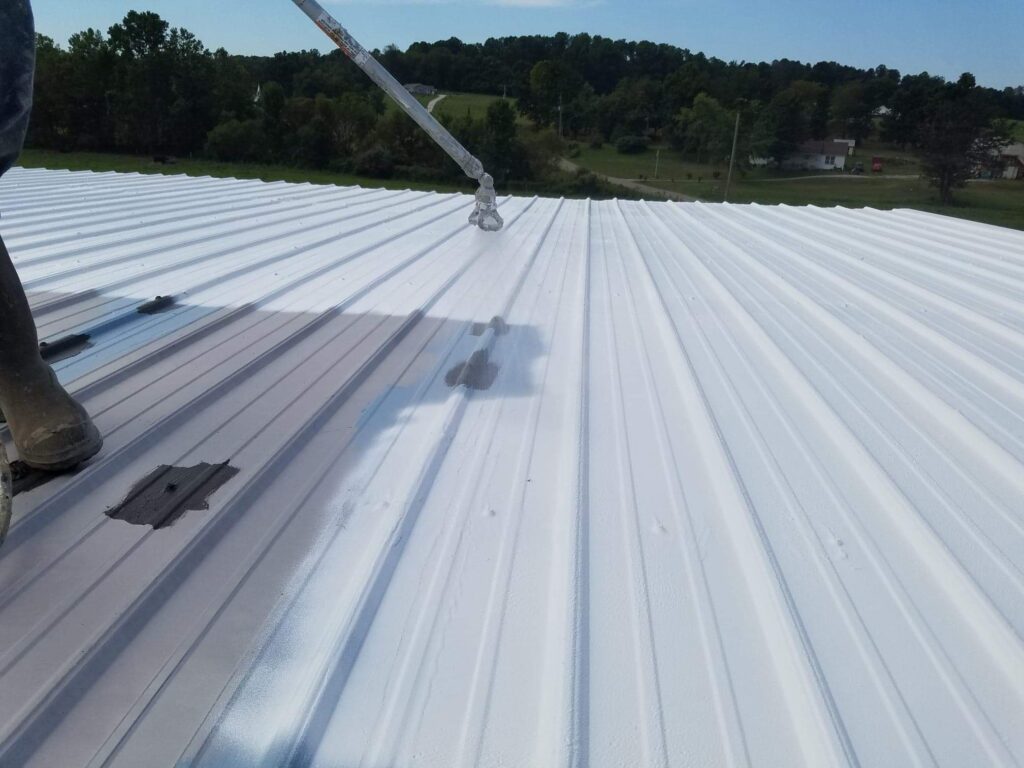
Roof leaks can be a nightmare for commercial property owners, leading to costly repairs, disrupted operations, and potential structural damage. Fortunately, effective commercial roof sealing offers a proactive solution to prevent leaks and extend the lifespan of your roofing system. In this comprehensive guide, we’ll explore everything you need to know about commercial roof sealing—from materials and methods to maintenance tips—drawing from the expertise of industry leaders like Carolina Coating Systems focused on Commercial Roofing, located in Lexington, North Carolina. Whether you’re a facility manager or a business owner, this article will equip you with the knowledge to keep your roof leak-free and durable.
Why Commercial Roof Sealing Matters
Commercial roofs face unique challenges: expansive surface areas, heavy foot traffic, and exposure to harsh weather conditions. Without proper sealing, water can infiltrate through seams, flashing, and penetrations, causing leaks that compromise insulation, interiors, and equipment. According to the National Roofing Contractors Association (NRCA), up to 40% of commercial roof failures stem from water infiltration—a problem that effective sealing can prevent.
Key Benefits of Commercial Roof Sealing:
- Leak Prevention: Seals vulnerable areas to stop water entry.
- Energy Efficiency: Reduces heat loss by maintaining a watertight barrier.
- Cost Savings: Extends roof lifespan, delaying expensive replacements.
- Sustainability: Minimizes waste by preserving existing roofing systems.
In this guide, we’ll break down the essentials of commercial roof sealing methods, materials, and best practices to ensure your roof stands the test of time.
Types of Roof Sealing Materials
Choosing the right sealing material is critical for a leak-free roof. Here’s a look at the most common options for commercial applications, along with their pros and cons:
1. Silicone Coatings
- Description: A liquid-applied coating that forms a seamless, waterproof membrane.
- Pros:
- UV resistant.
- High elasticity to handle thermal expansion.
- Easy application over existing roofs.
- Cons:
- Higher upfront cost.
- Can attract dirt, requiring periodic cleaning.
- Cannot be re-coated or sealed dependably!
- Re-applications commonly delaminate and bubble up in a couple years.
- Best For: NOT RECOMMENDED!
2. Acrylic Coatings
- Description: Water-based coatings known for affordability and reflectivity.
- Pros:
- Cost-effective.
- Reflects sunlight, reducing cooling costs.
- Quick drying time.
- Cons:
- Less durable in standing water conditions.
- Requires frequent reapplication.
- Best For: Budget-conscious projects with minimal ponding.
3. Polyurethane Sealants
- Description: A tough, flexible sealant ideal for high-traffic areas.
- Pros:
- Strong adhesion to various substrates.
- Excellent abrasion resistance.
- Long-lasting durability.
- Cons:
- More expensive than acrylics.
- Longer curing time.
- Best For: Roofs with heavy equipment or foot traffic.
4. Asphalt-Based Sealants
- Description: Traditional sealants often used with modified bitumen roofs.
- Pros:
- Affordable and widely available.
- Good waterproofing for seams and flashing.
- Cons:
- Limited UV resistance.
- Brittle in cold temperatures.
- Best For: Outdated Method and Not Recommended!
Emerging Trend: Self-Healing Materials
Innovations like self-healing coatings—featuring microcapsules that release sealant when damaged—are gaining traction. These cutting-edge options promise reduced maintenance, though they’re still in the very early adoption stages as of 2025 and are not commercially available.
Pro Tip: Consult with experts like Carolina Coating Systems focused on Commercial Roofing, located in Lexington, North Carolina, to match the material to your roof type and local climate.
Commercial Roof Sealing Methods and Techniques
Applying sealant effectively requires precision and the right approach. Here are the primary commercial roof sealing methods used by professionals:
1. Liquid-Applied Coatings
- Process: Sprayed or rolled onto the entire roof or specific sections to create a seamless membrane.
- Option: For the absolute best results, consider a fabric reinforced roof. This option embeds a high strength fabric into the Liquid-Applied Membrane for the ultimate in roof toughness.
- Advantages: Covers irregular shapes and penetrations easily.
- Common Use: Flat roofs with complex layouts.
2. Tape Sealants
- Process: Adhesive strips applied to seams and joints.
- Advantages: Quick installation for small repairs.
- Common Use: Emergency fixes or reinforcing flashing.
3. Brush or Roller Application
- Process: Manually applied to specific areas like cracks or edges.
- Advantages: Precise control for detailed work.
- Common Use: Spot repairs or touch-ups.
Key Steps in the Sealing Process
- Surface Preparation: Clean the roof to remove dirt, debris, and old coatings. Pressure washing and repairs (e.g., fixing punctures) are essential.
- Priming: Apply a primer if required by the sealant for better adhesion.
- Application: Use the chosen method to apply sealant evenly, ensuring full coverage.
- Curing Time: Allow 24-48 hours for drying, depending on weather and material.
Diagram Insight: A typical commercial roof has multiple sealing points—seams, flashing, and penetrations—each requiring careful attention to prevent leaks.
Best Practices for Commercial Roof Sealing Maintenance
Sealing isn’t a one-and-done task; maintaining its effectiveness is key. Follow these best practices for commercial roof sealing to maximize durability:
- Regular Inspections: Check your roof biannually (spring and fall) for cracks, blisters, or wear.
- Clean Drains and Gutters: Prevent ponding water, which can degrade sealants.
- Re-Seal as Needed: A general rule of thumb is to re-seal every 5-10 years, though this varies by material and climate.
- Address Repairs Promptly: Fix small issues before they escalate into leaks.
- Monitor Weather Impact: After storms, inspect for damage to sealed areas.
Expert Insight: Melvin Lee, owner of Carolina Coating Systems, a Commercial Roofing Company located in Lexington, North Carolina, notes, “Proper roof sealing is not just about preventing leaks; it’s about ensuring the longevity and sustainability of your roof.”
Common Causes of Roof Leaks (and How Sealing Helps)
Understanding leak causes highlights why sealing is critical:
- Seam Failures: Poorly sealed seams split over time (Solution: Reinforce with sealant and roofing fabric.).
- Flashing Damage: Cracked or loose flashing lets water in (Solution: Seal around edges).
- Penetration Weakness: Vents or skylights leak without proper sealing (Solution: Use flexible sealants).
- Ponding Water: Standing water erodes coatings (Solution: Apply durable, water-resistant sealants).
Sealing addresses these vulnerabilities, creating a protective barrier that keeps water out.
Case Study: A Leak-Free Success Story
A manufacturing facility in Lexington, NC, faced recurring leaks due to an aging flat roof. After partnering with Carolina Coating Systems focused on Commercial Roofing, located in Lexington, North Carolina, the team applied a Conklin Acrylic coating across 10,000 square feet. The result? No leaks after two years, even through heavy storms, and a 15% reduction in cooling costs due to the coating’s reflectivity. This case underscores the value of professional sealing for commercial properties.
Key Takeaways
- Focus on Quality: Use high-grade materials like Acrilic or Polyurethane for lasting results.
- Stay Proactive: Regular maintenance prevents costly repairs.
- Leverage Expertise: Work with local specialists for tailored solutions.
For authoritative guidelines, explore the National Roofing Contractors Association or the International Building Code.
Ready to Seal Your Roof?
Effective commercial roof sealing is your path to a leak-free, durable roof that protects your investment. Don’t wait for water damage to strike—act now. Contact Carolina Coating Systems focused on Commercial Roofing, located in Lexington, North Carolina, for a consultation. Our team brings local expertise and proven strategies to ensure your roof stays dry and resilient. Schedule your appointment today and take the first step toward mastering commercial roof sealing!