
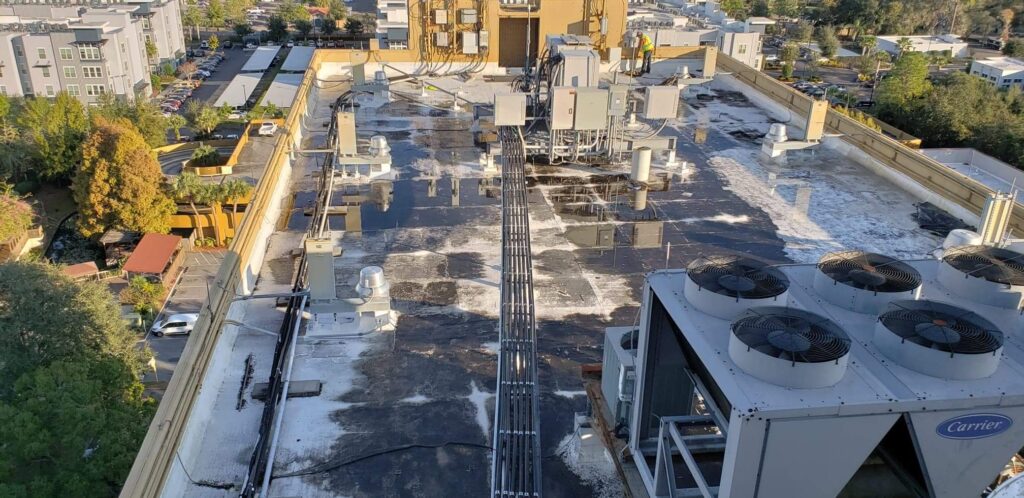
Picture this: a heavy rainstorm passes, and days later, large pools of water still sit stubbornly on your commercial roof. It might seem like a minor inconvenience, but here’s a startling fact—according to the National Roofing Contractors Association (NRCA), ponding water is a leading cause of premature roof failure, contributing to millions in repair costs annually for businesses across the U.S. Left unaddressed, this standing water can silently erode your roof’s integrity, disrupt your operations, and drain your budget.
So, what exactly is ponding water, and why should it matter to you? In this guide, we’ll dive deep into understanding ponding water on commercial roofs, explore its causes and consequences, and arm you with the most effective prevention strategies. Whether you manage a warehouse, office building, or retail space, this article will equip you with the knowledge to protect your investment. Plus, we’ll share cutting-edge industry trends and expert insights you won’t find in standard roofing blogs—because your roof deserves more than a quick fix.
What Is Ponding Water? Understanding the Basics
Ponding water refers to water that remains on a roof’s surface for more than 48 hours after precipitation stops. While flat or low-slope roofs—common in commercial buildings for their cost-efficiency and space benefits—are designed to handle some water, they’re not meant to hold it indefinitely. When water lingers, it signals an underlying issue that needs attention.
Why Does Ponding Water Happen? Common Causes:
Poor Drainage: Clogged drains, undersized gutters, or blocked scuppers trap water on the roof.
Inadequate Slope: Flat roofs require a minimum slope (typically 1/4 inch per foot) to guide water toward drainage points—without it, pooling occurs.
Structural Settling: Over time, buildings shift or settle, creating depressions where water collects.
Improper Installation: Faulty roofing materials or installation errors, like misaligned membranes or insufficient flashing, can impede water flow.
Debris Accumulation: Leaves, dirt, and other debris can clog drainage systems or form barriers that hold water.
By identifying these culprits, you can take targeted steps to keep your roof dry and durable.
The High Cost of Ignoring Ponding Water
Ponding water isn’t just a cosmetic issue—it’s a slow-moving disaster that can compromise your entire building. Here’s what’s at stake if you let it persist:
Roof Material Breakdown: Constant water exposure degrades roofing membranes, causing cracks, blisters, or rot. Studies show this can cut a roof’s lifespan by up to 50%.
Leaks and Interior Damage: Even tiny breaches allow water to seep inside, leading to mold, damaged ceilings, and ruined insulation—costing thousands to repair.
Structural Risks: A 6-inch pool of water weighs over 5 pounds per square foot. Over time, this added load can weaken beams or even cause collapse in extreme cases.
Energy Inefficiency: Wet insulation loses its thermal resistance, forcing your HVAC system to work harder and spiking energy bills by as much as 20-30%.
Safety Concerns: Ponding creates slippery surfaces for maintenance crews and risks long-term structural instability.
The financial toll is staggering—industry estimates suggest that just the repair alone on water-related roof damage can cost $15,000 or more for a midsize commercial building. Prevention isn’t just smart; it’s essential.
How to Prevent Ponding Water: Proven Strategies
Fortunately, ponding water is a problem you can solve with the right approach. Here are actionable strategies to keep your commercial roof water-free:
1. Commit to Regular Maintenance
Biannual Inspections: Schedule professional checkups in spring and fall to spot issues before they escalate.
Clear Drains and Gutters: Remove debris from all drainage points to ensure unobstructed water flow.
Monitor Low Spots: Use a post-rain walkthrough to identify pooling areas for targeted fixes.
2. Invest in Proper Roof Design and Installation
Adequate Slope: Collaborate with roofing experts to ensure your roof has the right pitch for drainage.
Quality Materials: Opt for durable, waterproof membranes and flashing to minimize water retention risks.
Tapered Insulation: This creates a custom slope, guiding water to drains even on flat roofs.
3. Leverage Advanced Solutions
Roof Coatings: Companies like Carolina Coating Systems focus on Commercial Roofing provide high-performance coatings that seal surfaces and repel water, extending roof life.
Extra Drainage: Install additional drains or scuppers in persistent problem areas.
Crickets: These small, sloped structures divert water away from walls or equipment, enhancing drainage.
Implementing a mix of these methods builds a robust defense against ponding water.
Cutting-Edge Trends in Ponding Water Prevention
The roofing industry isn’t standing still—new technologies and techniques are revolutionizing how we tackle ponding water. Here’s what’s trending:
Smart Drainage Systems: Equipped with sensors, these systems detect water levels and adjust drainage dynamically, preventing buildup in real time.
Reflective Coatings: Beyond waterproofing, these coatings reflect sunlight, reducing heat absorption and cooling costs by up to 30%.
Drone Inspections: Drones with thermal imaging pinpoint low spots and drainage issues faster and more accurately than manual checks.
Green Roof Systems: Vegetative layers absorb rainfall, improve drainage, and offer sustainability perks like better insulation and reduced runoff.
Adopting these innovations can give your roof a competitive edge in both performance and longevity.
Expert Insights: What the Pros Say About Ponding Water
According to Commercial Roofing Experts: “Ponding water is a symptom, not the disease,” she explains. “Fixing it starts with understanding your roof’s unique drainage profile. Regular maintenance is critical, but for chronic issues, solutions like tapered insulation or advanced coatings are game-changers.”
Tips Straight from the Experts:
Post-Storm Checks: After heavy weather, inspect your roof within 48 hours to catch ponding early.
Keep Records: Log inspections and repairs to identify recurring trouble spots.
Train Your Team: Teach staff to recognize ponding signs and report them promptly.
These insider tips can save you time, money, and headaches.
Beyond Damage: Ponding Water’s Environmental and Energy Impact
Ponding water doesn’t just hurt your roof—it affects your building’s efficiency and environmental footprint:
Energy Losses: Saturated insulation loses up to 70% of its R-value, driving up heating and cooling costs.
Heat Island Effect: Waterlogged roofs absorb more heat, exacerbating urban heat islands and increasing energy demand.
Sustainability Concerns: Premature roof replacement due to water damage generates waste, while prevention supports greener building practices.
By tackling ponding, you’re not only protecting your property—you’re contributing to a more sustainable future.
Conclusion: Act Now to Safeguard Your Roof
Ponding water may start as a puddle, but it can end as a profit-draining disaster. From structural damage and skyrocketing repair costs to energy inefficiencies and safety risks, the stakes are too high to ignore. The good news? With proactive maintenance, smart design, and advanced solutions, you can stop ponding water in its tracks.
Don’t let your roof become a statistic. Partner with Carolina Coating Systems by calling us at (336) 894-0926 to keep your building safe, dry, and efficient. Our experts specialize in customized ponding water prevention strategies tailored to your needs. Contact us today for a roof assessment and take the first step toward a worry-free roofing future.
Key Takeaways
Ponding Water Defined: Water lingering on a roof for over 48 hours, often due to drainage or slope issues.
Major Risks: Roof deterioration, leaks, structural strain, and higher energy costs.
Prevention Tactics: Regular upkeep, quality installation, and solutions like coatings or extra drains.
Innovative Tools: Smart systems, drones, and green roofs are reshaping prevention efforts.
Added Benefits: Stopping ponding boosts energy efficiency and sustainability.